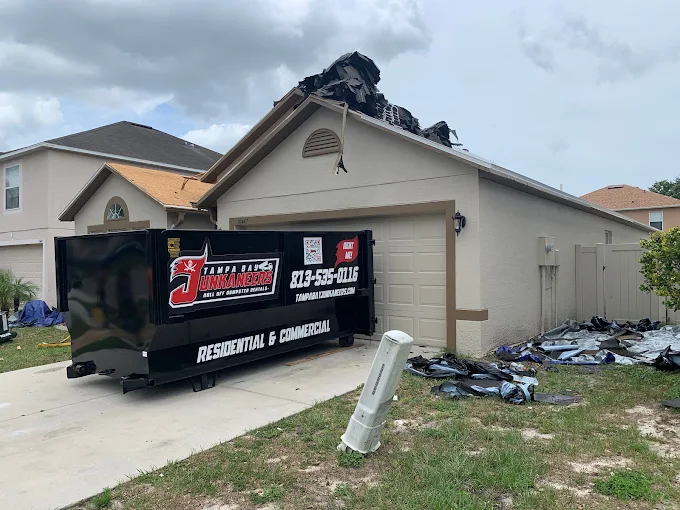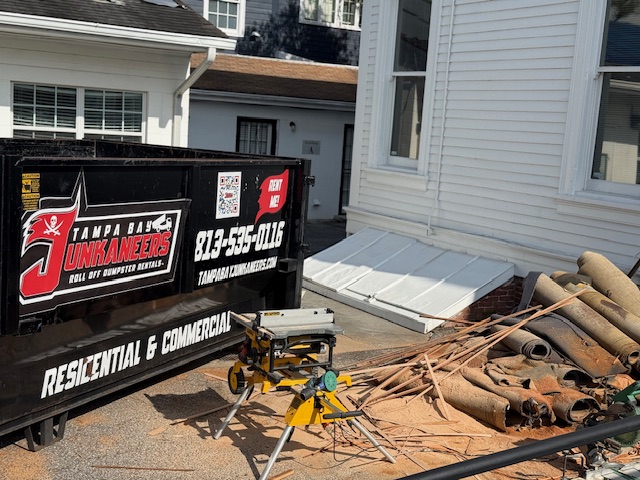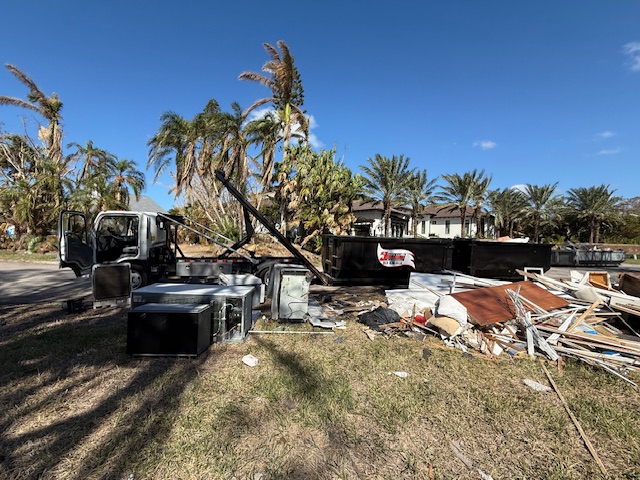
Hurricane season in Tampa Bay runs June through November, and for homeowners in Hillsborough County, that means one unavoidable reality: debris. Whether it's preparing your property before a storm hits or managing the aftermath when a hurricane passes, debris removal is a critical part of protecting your home and getting back to normal fast.
This guide covers everything Tampa Bay homeowners need to know about hurricane debris removal — before, during, and after the storm season. From pre-hurricane yard prep to understanding what FEMA covers, we'll walk you through the process and show you how to get help fast.
Before the Storm — Pre-Hurricane Prep
The best time to address debris is before the hurricane arrives. Pre-storm yard prep reduces the amount of loose material that becomes a projectile hazard in high winds and sets you up for faster cleanup if your property does take damage.
Clear Your Yard of Loose Debris
Start by walking around your property and removing anything that wind can grab:
- Outdoor furniture, cushions, and umbrellas
- Potted plants and decorative items
- Trash cans and recycling bins (secure or store them)
- Garden tools and equipment
- Firewood piles and stacks
- Loose roofing or siding materials
- Loose tree branches hanging over your roof
These items don't just protect your own home — they also prevent your belongings from becoming dangerous projectiles that damage neighbors' properties.
Trim Trees and Remove Dead Branches
Dead wood is a safety hazard in any storm. Before hurricane season, have a licensed arborist inspect and trim your trees. Remove:
- Dead, diseased, or hanging branches
- Branches overhanging your roof (10+ feet away from the house)
- Trees leaning toward your home
- Palm fronds that look weak or discolored
This reduces the risk of falling tree damage and helps your property withstand high winds. Tree trimming debris can go in a dumpster, but the tree work itself should only be done by licensed professionals.
Rent a Dumpster Before Storm Season Hits
If you're planning any pre-hurricane renovations — roof repairs, siding work, deck rebuilding, or yard cleanup — rent a dumpster before June. Once hurricane season starts and a major storm threatens, dumpster availability in Hillsborough County becomes extremely limited. Getting your dumpster early means you can clear renovation debris and be storm-ready faster.
Secure Outdoor Structures
Sheds, carports, air conditioning units, and other outdoor structures need to be secured or reinforced before hurricane season. Any loose exterior debris from these structures becomes hazardous in high winds.
After the Storm — What Debris Can You Expect?
Even if your home is spared direct major damage, a hurricane passing through Hillsborough County typically leaves behind significant debris. Here's what homeowners typically find:
The Most Common Post-Hurricane Debris
- Fallen tree limbs and trunks. Branches, entire trees, root systems torn from the ground — this is the bulk of post-hurricane debris.
- Damaged roofing. Missing, lifted, or damaged shingles; granules scattered across the yard; flashing and gutters bent or detached.
- Siding and exterior damage. Vinyl siding, wood trim, fascia boards, and soffit pieces torn or bent.
- Fencing debris. Sections of fence down, posts toppled, gates torn from hinges.
- Waterlogged materials. Drywall soaked in floodwater, insulation damaged by moisture, flooring destroyed by flooding.
- Furniture and household items. Outdoor furniture destroyed; indoor furniture damaged by water or wind damage; personal belongings ruined.
- Concrete, asphalt, and landscaping. Broken concrete from foundations, asphalt chunks, mulch, soil, and gravel scattered everywhere.
- Miscellaneous debris. Metal sheeting, tarps, building materials, shattered glass, drywall fragments.
If flooding occurred, debris also includes waterlogged items that often can't be salvaged and must be disposed of immediately to prevent mold and health hazards.
Post-hurricane debris can hide hazards — downed power lines, broken glass, contaminated materials, sharp metal edges, and nails. Never touch or move debris without proper precautions. Wear heavy gloves, sturdy boots, and eye protection. If you see downed power lines, stay away and call the utility company immediately.
What Goes in a Dumpster After a Storm
Most hurricane debris can be disposed of in a standard roll-off dumpster, but a few items require special handling. Here's what goes in and what doesn't:
What You CAN Put in a Dumpster
- Tree limbs, branches, and wood debris
- Roofing shingles, flashing, and gutters
- Damaged lumber, studs, and framing
- Drywall and insulation (if dry — wet drywall may require separate disposal)
- Damaged vinyl siding, trim, and fascia
- Fencing material and posts
- Damaged furniture and household items
- Concrete chunks and asphalt fragments (check weight limits with your dumpster provider)
- General construction and demolition debris
What Requires SPECIAL Disposal
- Hazardous materials: Paint, propane tanks, gasoline, pesticides, pool chemicals
- Appliances with refrigerant: Air conditioners, refrigerators, freezers
- Electronics: TVs, computers, monitors, washers, dryers (may have hazardous components)
- Car batteries and batteries in general
- Wet or flood-damaged materials: Wet drywall, soaked insulation, contaminated materials may require separate hazardous waste disposal
- Tires
- Fiberglass insulation (check local regulations)
Never mix hazardous items with regular trash. They require specialized disposal at licensed facilities. If you're unsure whether an item is hazardous, ask your debris removal service before loading it in the dumpster.
As you clear hurricane debris, set aside a separate pile for anything you think might be hazardous. Ask your dumpster company which items they accept and which require special handling. This prevents delays and keeps disposal costs predictable.
How Fast Can You Get a Dumpster After a Hurricane?
This is the critical question after any major storm hits Hillsborough County: How quickly can you get a dumpster?
Expect High Demand and Limited Availability
Immediately after a major hurricane, dumpster demand across Tampa Bay, Brandon, Riverview, and all of Hillsborough County skyrockets. Thousands of homeowners need debris removal simultaneously. Dumpster companies are overwhelmed, and availability becomes extremely limited.
Here's what to expect:
- Same-day service is usually not available in the immediate aftermath of a major storm (first 24-48 hours).
- Next-day delivery may be possible if you call within hours of the storm passing, but not guaranteed.
- Multi-day waits are common during the peak cleanup period (week 1-2 after the storm).
- Prices may increase during peak demand periods due to limited equipment and high fuel costs for delivery trucks.
How to Get a Dumpster Faster After a Hurricane
- Call immediately after the storm passes. Don't wait. Contact Tampa Bay Junkaneers as soon as roads are clear and you can assess damage. Being first in the queue improves your chances of faster delivery.
- Be flexible on dates. If you can't get same-day, accepting a specific time slot (even if it's 3-4 days away) helps you secure a container faster than waiting for availability.
- Consider multiple smaller dumpsters. If you need debris cleared fast and large dumpsters aren't available, two smaller dumpsters might be available sooner.
- Rent before the season if possible. If you know you have pre-hurricane projects (roof repairs, yard cleanup), rent a dumpster in May or early June, not after the storm.
Tampa Bay Junkaneers prioritizes storm-related cleanup requests. Call (813) 535-0116 immediately after a hurricane — we'll tell you exactly when we can get a dumpster to your property.
FEMA Debris Removal Programs — What Hillsborough County Offers
If a hurricane causes major damage across Hillsborough County, the Federal Emergency Management Agency (FEMA) may deploy to assist with debris removal. Here's what homeowners should know:
When FEMA Activates Debris Removal
FEMA typically only activates large-scale debris removal programs after major, catastrophic hurricanes that cause widespread damage across multiple counties. Single-family home debris removal is usually not covered by FEMA programs. Instead, FEMA assistance focuses on:
- Public debris (debris in streets, public rights-of-way, government property)
- Large-scale disaster debris management
- State-level emergency cleanup coordination
Private Property Debris — You're Responsible
Debris on your private residential property is your responsibility, not FEMA's. This means you'll need to arrange and pay for debris removal from your yard, roof, and home. This is why having a dumpster rental company you can trust — like Tampa Bay Junkaneers — is critical.
Check FEMA's Resources for Your Situation
After any major hurricane, FEMA establishes disaster recovery centers across affected counties. Visit FEMA.gov to:
- Find disaster recovery centers in your area
- Check if your county qualifies for federal assistance
- Apply for disaster assistance if your home sustained major damage
- Find resources for low-income homeowners and renters
FEMA assistance may help with temporary housing, home repairs, or temporary shelter if your home is uninhabitable, but private debris removal is typically not covered.
Your homeowner's insurance policy may cover debris removal costs as part of your claim. After a hurricane, file your insurance claim immediately and ask specifically about debris removal coverage. Keep receipts for all debris removal work — you may be able to claim these expenses.
Tree and Stump Removal — Not a Dumpster Job
Fallen trees and large tree debris are common after hurricanes, but tree removal is not a dumpster job — it requires licensed professionals.
Why You Need a Licensed Tree Service
- Safety. Fallen trees can still have tension in the trunk and roots — cutting them incorrectly can cause serious injury.
- Liability. If a tree removal goes wrong and damages a neighbor's property, you're liable. Licensed arborists carry insurance.
- Equipment. Removing large trees requires specialized equipment — cranes, chippers, stump grinders — you can't do it yourself.
- Proper disposal. Large tree trunks and logs require proper disposal at industrial facilities.
Tree Debris CAN Go in a Dumpster
Here's the key distinction: The tree removal itself must be done by a licensed professional, but the debris from tree work can go in a dumpster.
After a licensed tree service removes and chips tree debris, the wood chips, small branches, and trimmed limbs can be placed in a dumpster for final disposal. Large tree trunks cannot fit in a standard dumpster and require industrial wood waste disposal.
Expect to pay $500-$2,000+ for professional tree removal after a hurricane, depending on the size and complexity of the job. This is a separate cost from dumpster rental for other debris.
Serving All of Hillsborough County, Storm or No Storm
Whether you're preparing for hurricane season or recovering after a storm, Tampa Bay Junkaneers provides dumpster rental and junk removal across all of Hillsborough County — including Brandon, Riverview, Tampa, Apollo Beach, Valrico, Ruskin, Gibsonton, New Tampa, Lutz, and Sun City Center.
After a major hurricane, call us immediately. We'll prioritize your request and get a dumpster to your property as fast as possible. Same-day service may not be available during peak demand, but we're committed to getting you equipment quickly so cleanup can begin.
- Licensed and insured debris removal
- Multiple dumpster sizes (10-yard, 15-yard, 20-yard)
- Flexible rental periods
- Junk removal for bulky items that won't fit in dumpsters
- Hazardous material guidance
- No hidden fees — upfront pricing